
Sinners, The Piano Lesson + Mississippi As Memory
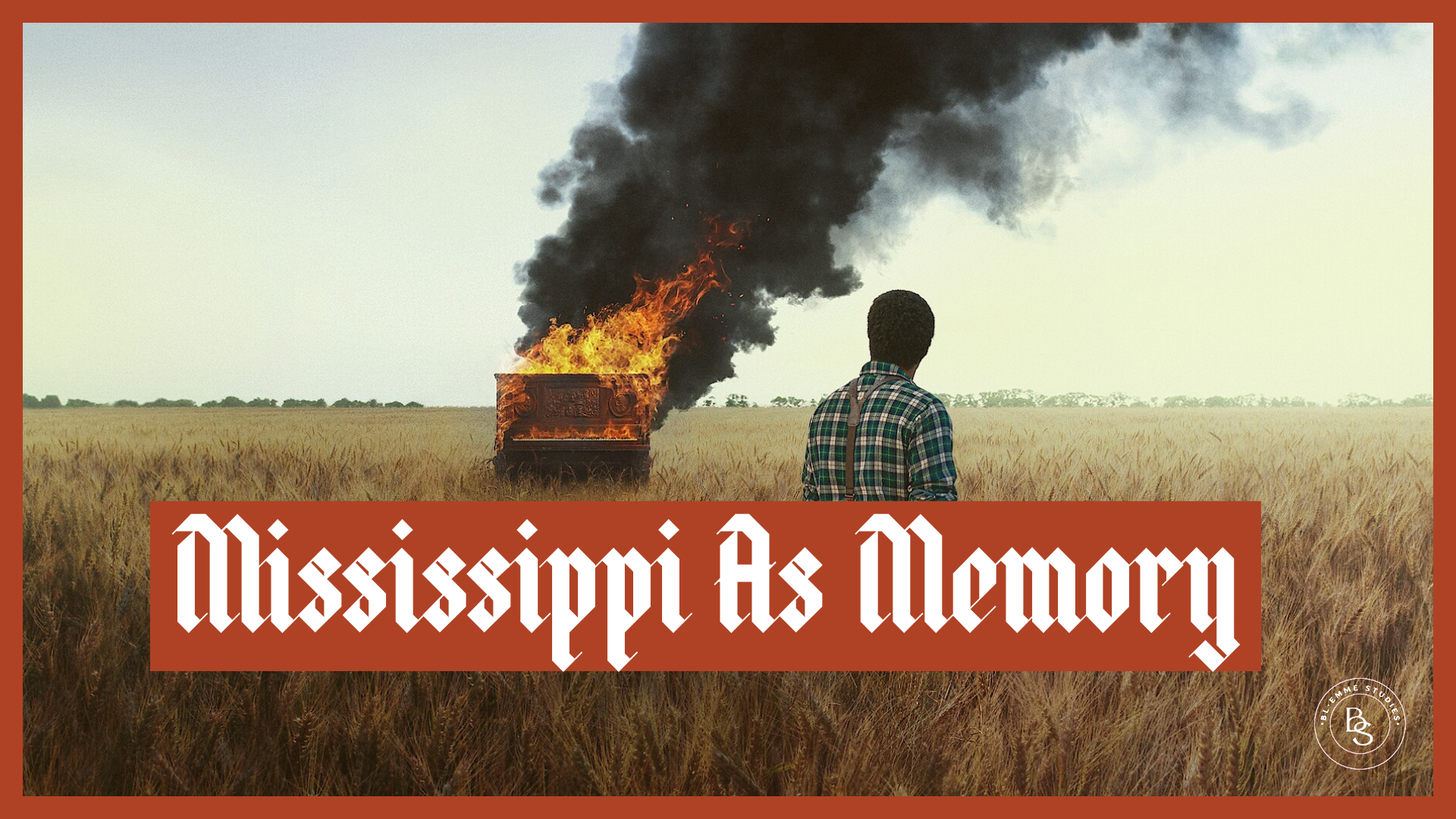
“See Mississippi is not actually Mississippi’s problem. Mississippi is America’s problem.” — Fannie Lou Hamer (1968)
Some of the most important Black American artists of our lifetimes are producing some of their most culturally significant works, which pose very similar questions to their communities: What is freedom? How do Black folks cultivate it amid intractable social, political, and financial oppression?
I’m interested in three artists whose recent works most poignantly ask those questions: Beyonce and the first two albums of her Renaissance trilogy, Ryan Coogler's movie Sinners and Malcolm Washington’s film adaptation of August Wilson’s play, The Piano Lesson. I’ll be focusing on the two movies in this essay, but I wrote another video essay about Beyonce’s Cowboy Carter and the album’s portrayal of the ancient archetypal, freedom-seeking Wild Woman using country and Blues tropes. Check it out after you watch this video for that analysis.
Before I jump in, thanks for watching this video! My name is Whitney and here on YouTube I write about pop culture topics that interest me, usually with a bit of spirituality, mythology and gender studies mixed in. If you’re enjoying this video so far, please give it a thumbs up, share with a friend, and leave a comment. I really appreciate it!

The Piano Lesson (Directed by Malcolm Washington, produced by Mundy Lane Entertainment and Escape Artists, distributed by Netflix, 2024)
Watching The Piano Lesson and Sinners within months of each other in 2025, I was immediately struck by the two films’ parallels. Each features a couple of enterprising Black men in 1930s rural Mississippi. These men in both movies are counseled and protected by male elders in the community who have experienced the state’s corrupt and racist prison system. There are self-assured and heart-centered women in both films who challenge the men’s capitalist values. Both stories use music as a living symbol of the characters’ ancestors and future descendants.

Most strikingly, both films ask sweeping questions about Black sovereignty, Black freedom, and Black futures; and both arrive at similar theses. Weaved throughout these three core themes are each film’s homages to the Southern Gothic genre. We’ll unpack each theme, my theories about what it represents, and how it builds on these stories' central tenets. There will be spoiler-adjacent content, plus this will be way more interesting after you’ve watched both movies so do that before diving in! Also, both movies talk extensively about racial violence.
I: This Land Is My Land: Black Sovereignty
“He spent his whole life farming somebody else’s land. Nah. I ain’t gone do that.” —Boy Willie, The Piano Lesson (Directed by Malcolm Washington, produced by Mundy Lane Entertainment and Escape Artists, distributed by Netflix, 2024)

Sinners (Directed by Ryan Coogler, produced by Proximity Media, distributed by Warner Bros. Pictures, 2025)
The young, entrepreneurial protagonists in both movies, Boy Willie in The Piano Lesson and the Smoke-Stack Twins in Sinners, each developed hard-lined positions on how to provide for themselves in the Jim Crow South. All three characters outlined their plans to own land in Mississippi; move from the worker, or sharecropping, class to the planter, or owner, class; and create physical spaces that restored dignity to the everyday Black people in their orbit.
For Boy Willie, this plan looked like purchasing the very land where his recent ancestors had been enslaved. He still works the land as a sharecropper, but his fantasy is to own it. The family’s former enslavers, the white Sutters, have all but died out and the remaining Sutter has agreed to sell the last parcel to Boy Willie. Although he’s poor, he has side hustles. He figures he’ll have just enough money to buy the land if he can also convince his sister, Berniece, to sell their only inheritance: an old piano, hand-carved by their enslaved great grandfather.
Everyone around Boy Willie is skeptical, including his sister, his uncles and his best friend. A lot of the film’s dialogue is Boy Willie’s fervent assertions that his plan is realistic and that he is uniquely deserving of the land.
At one point he says, “If I have the land I can build on it. I can raise some cotton... I can stand up and look at the sun and know that I’m standing on my own land.”

The Piano Lesson makes clear that while Boy Willie is very much a dreamer, he’s also clear-eyed about his place in the world. The land is key to him realizing his modest ambitions and continuing his family’s farming legacy. He says, “I’m going back and get Sutter’s land […] I ain’t scared of work. I’m going back and farm every acre of that land.”
And later he responds to his friend’s insistence that Boy Willie stay in Pittsburgh to escape Mississippi’s racism by saying, “That’s [farming] what I’m gonna do with my life! Why I got to come up here and learn to do something I don’t know how to do when I already know how to farm? You stay up here and make your own way if that’s what you want to do. I’m going back and live my life the way I want to live it.”
In Sinners, the plot kicks off with Smoke and Stack hellbent, like Boy Willie, on buying Mississippi land: an abandoned mill. We see them pay the white landowner for both the mill and for tribute: They know he’s in the clan and hope money will deter any violence. A key difference is the land in Sinners is not a former plantation, like in The Piano Lesson, and the Twins don’t have an emotional connection to it like Boy Willie does to the farm acres he wants to buy.
The stories are inverted in this way: the events of Sinners imbue the land with significance for the Smoke-Stake Twins while what takes place in The Piano Lesson de-emphasizes the land as part of Boy Willie’s legacy.
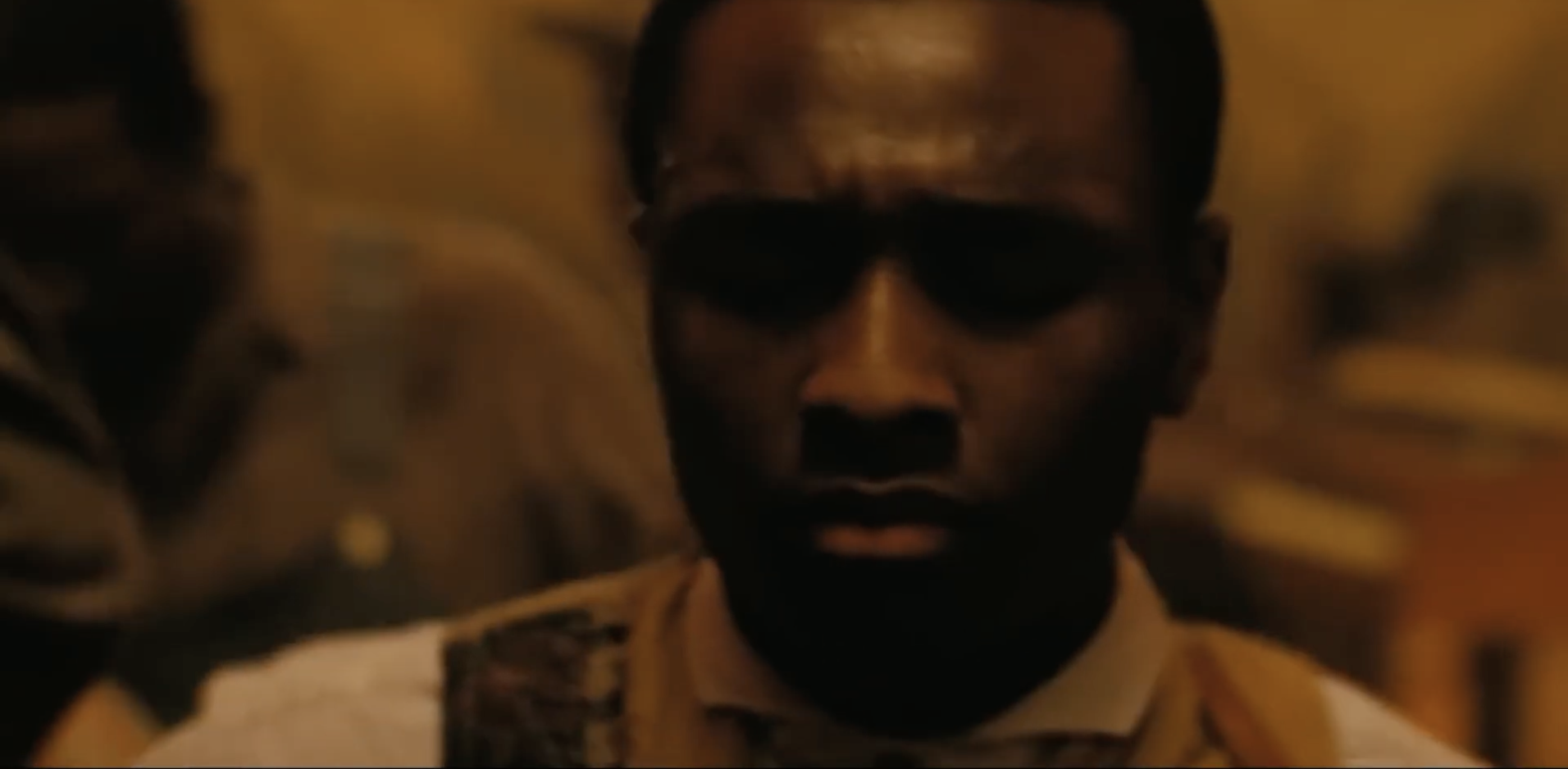
We don’t hear as much from Smoke and Stack about why they want the land as we do from Boy Willie, but we know their plans for it: Open the best Blues juke in the Delta for the Black sharecropping community to unwind after a long week of back-breaking labor. The audience is meant to understand how hard these people’s lives are through glances at their harsh realities: Conjurer Annie accepts worthless plantation money because it’s the only money her customers have; Sharecroppers Cornbread and Sammie’s days revolve around their daily cotton quotas; Singer and Town Drunk Delta Slim drinks and sings the Blues all day, every day, to, at least in part, process painful, violent memories.
The need for the Twins’ community to have a place to unwind and express themselves is made explicit at the beginning of Sinners when Sammie tells his father, “I been working all week, Pop. I just want to be free of all this for a day.” And again when Annie and Stack convince Smoke to accept the Juke patrons’ plantation money, even though it won’t spend anywhere outside of their small town. “[They] been workin’ inda field all day. When they show up let’em enjoy themselves,” Stack reasons.
Claiming (+ Reclaiming) the South

In both The Piano Lesson and Sinners, the characters’ desire to own land mirrors Black America’s persistent claims on the American South as a birthplace of and homeland for our culture. Mississippi is centered not only as the home of the Blues, but as home of Black American music itself. Just as Boy Willie and the Twins struggle to lay claim on the actual land, Black America has fought erasure from Southern cultural institutions, including folk music like country and its star instrument, the African-derived banjo.

Why this instrument explains Black American folk music | Vox https://www.youtube.com/watch?v=wrRfOzhM2AE
The movies present the South as offering community and respite for Black people in spite of open, unchecked white terrorism. Take the worldly Twins, who have lived in France, presumably as soldiers, at least visited New York City, and spent years in Chicago, but are back here, in Clarksdale, Mississippi, in search of sovereignty. Although we know their gangster ways got them run out of Chicago, we can assume there were many other places they could have tried their fortunes.
When their little cousin Sammie says, “I heard it ain’t got Jim Crow up there. A Black man can go where he wants,” Stack laughs and replies,”You can’t be believing everything you hear. This town gonna fill your head with all that make believe but we gonna give it to you straight. Chicago ain't shit but Mississippi with tall buildings instead a plantations.”
Boy Willie makes a similar claim about Pittsburgh in The Piano Lesson, telling his friend, “You think you ain’t got to work up here. You think this the land of milk and honey.”
In both movies, the characters valiantly search for inventive ways to create more agency over their lives in the place where they’re most comfortable and where they know how to provide for themselves.
Southern Gothic Elements

Both of the films also root supernatural, Southern Gothic elements into the very land the men want to purchase. The Ghost of the Yellow Dog is introduced early in The Piano Lesson as the mysterious force haunting the Sutter Plantation and instigating a spate of recent deaths in the Sutter family. In Sinners, the Twins notice blood on the mill’s floor during an inspection, hinting that it may have been used by the local clan to torture and murder people, foreshadowing the vampires’ arrival. These early mentions directly tie the dark elements in both movies to the specific land purchases and represent a broader, Black American struggle to claim and reclaim our place in the South’s mythology.

II: Free for a Day: Black Freedom
“I been working all week, Pop. I just want to be free of all this for a day. I’ll be back in time for church in the morning.” — Sammie/Preacher Boy, Sinners (Directed by Ryan Coogler, produced by Proximity Media, distributed by Warner Bros. Pictures, 2025)
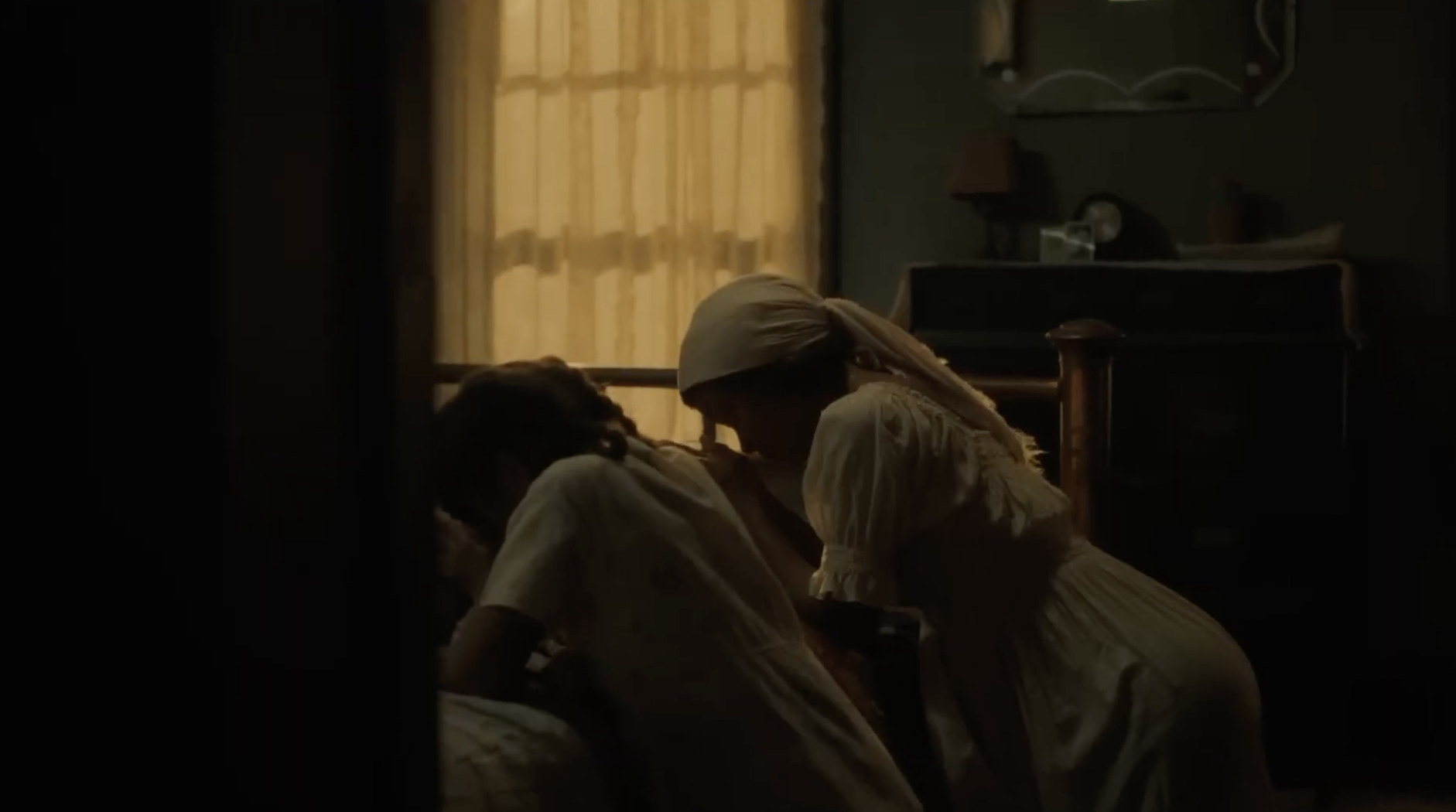
Sinners and The Piano Lesson explore societal norms for Black Americans in the 1930’s, showing how characters in both the rural South and the industrial Midwest navigate the institutions that curtail their freedom. Among those institutions are racism, religion and respectability.
While sovereignty is the vehicle, loosening of social constraints, or freedom, is the goal in both The Piano Lesson and Sinners. The movies present Black freedom as a byproduct of Black sovereignty, and Black sovereignty as a prerequisite for Black freedom.
One of the ways the films make impassioned arguments for the necessity of Black freedom is by showing the horrors of Mississippi’s carceral system. In The Piano Lesson, the film’s male leads: Boy Willie, his friend Lymon, and his uncles Wining Boy and Doaker, bond over a shared hatred for Parchman Farm, another name for the Mississippi State Penituary.
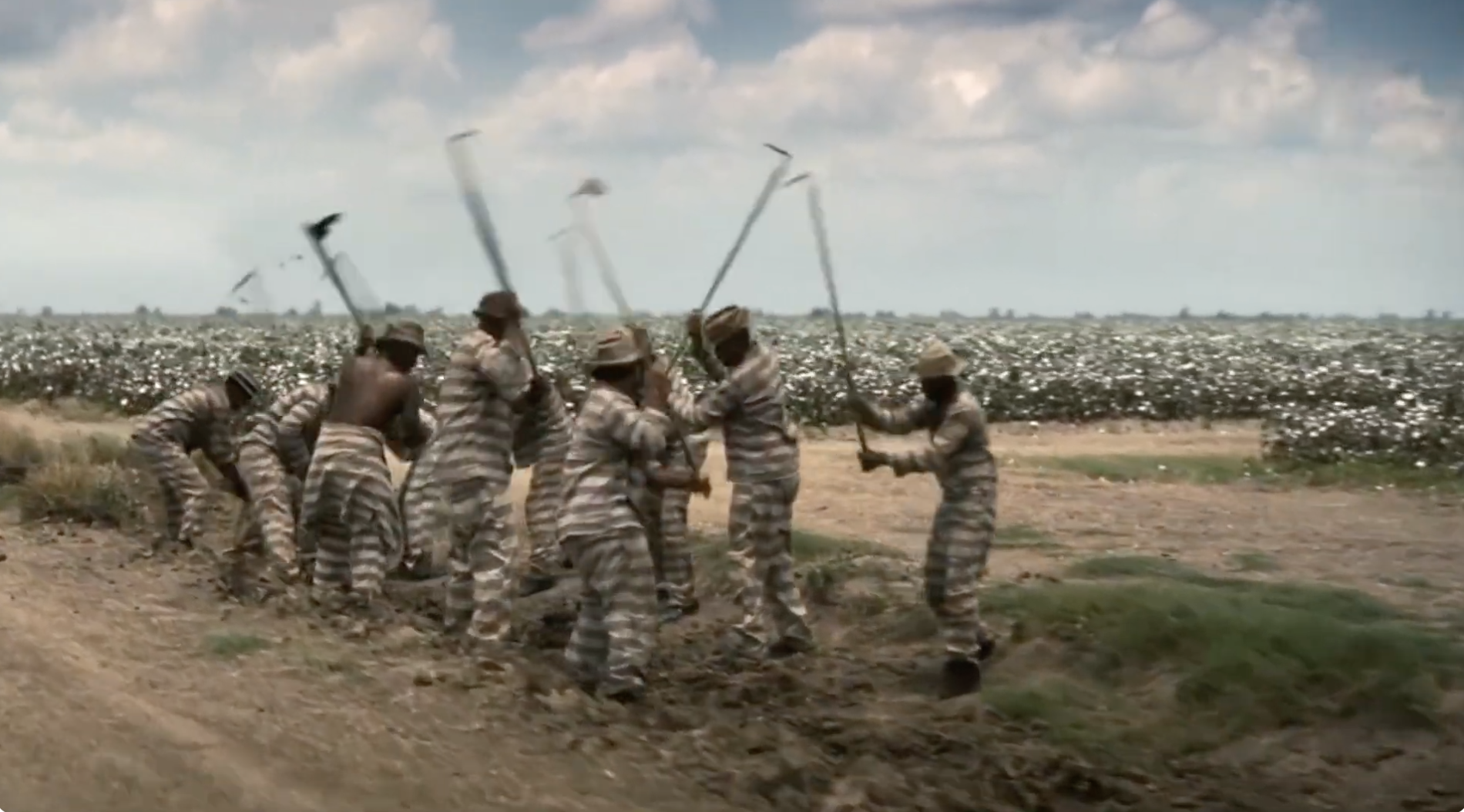
According to Innocence Project, a nonprofit that says it works to create fair, compassionate, and equitable systems of justice for everyone, “Parchman’s history is rooted in Black suffering.
Desperate to restore the previous economic and social order and to control the freedom of newly emancipated African Americans after the Civil War, Southern states adopted criminal statutes, commonly known as Jim Crow laws, that sought to reproduce the conditions of slavery.
The plantation owners, as best they could, wanted Blacks to return to the same place as they had been as slaves.
African Americans could be arrested en masse for minor offenses such as vagrancy, mischief, loitering, breaking curfew, insulting gestures, keeping firearms, cohabiting with white people, and not carrying proof of employment — actions which were not considered criminal when done by white people.
While the 13th Amendment abolished slavery and involuntary servitude, it carved out a loophole that allowed for the exploitation of incarcerated people, who were disproportionately Black. Prisoners — men, women, and hundreds of children as young as six or seven — were then leased to private farmers and business owners who’d previously depended on cheap labor supplied by slaves.”
The Blues as Ancestral Memory: Expressing Longing Is Freeing
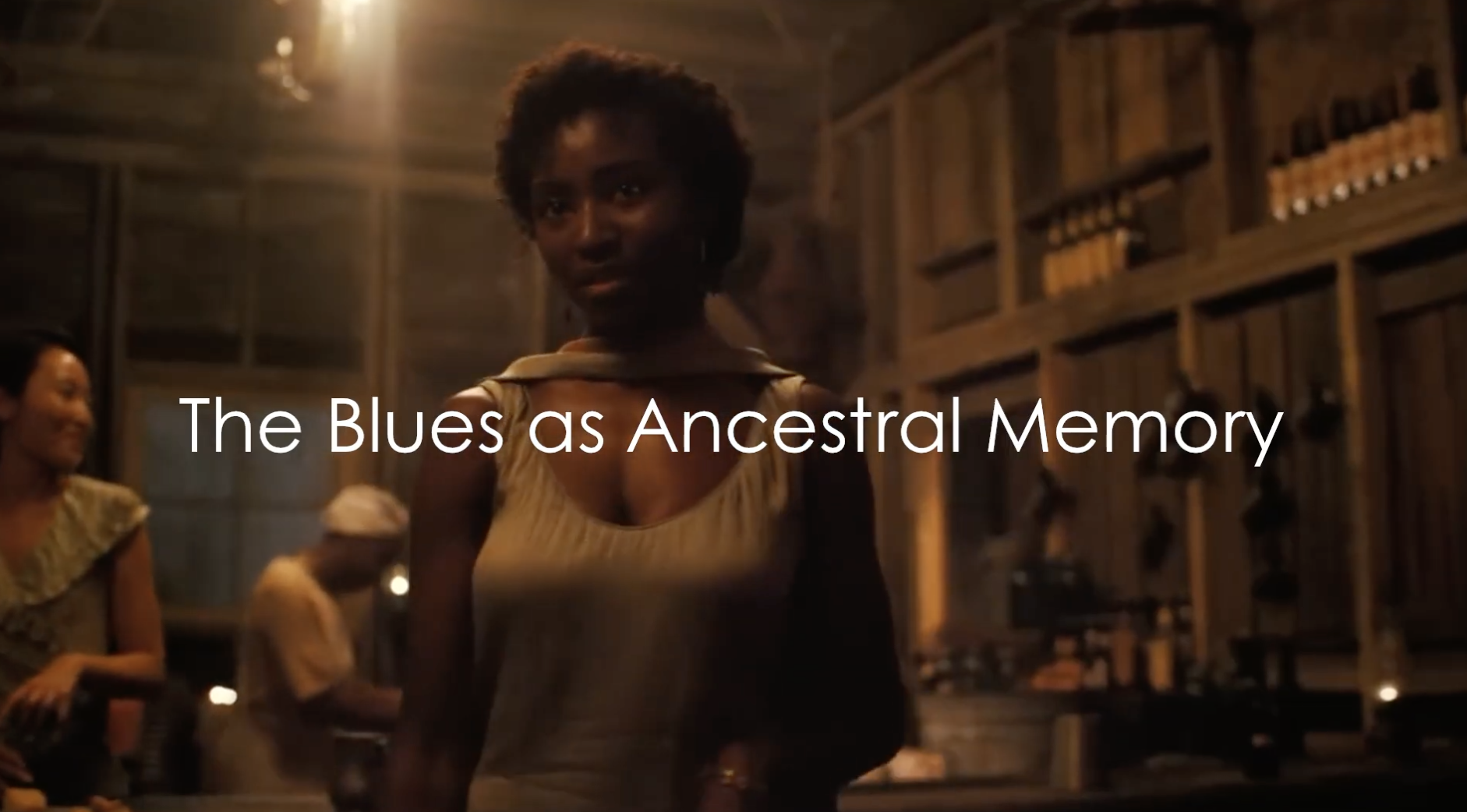
In The Piano Lesson, Boy Willie interrupts Lymon and his uncles’ individual remembering of their time in chain gangs and leads the men in a prison work song, O Lord Berta.
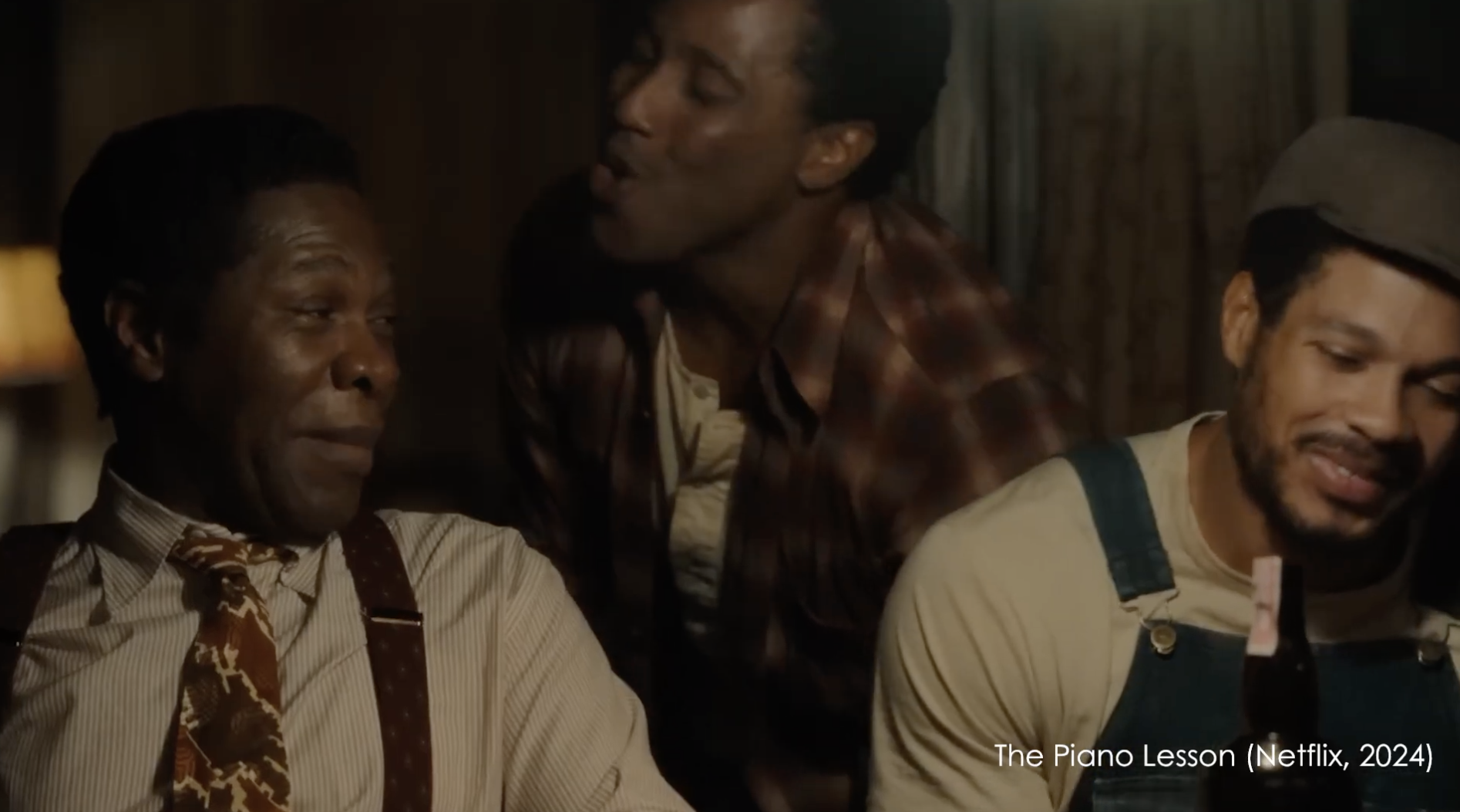
He has to coax his more reserved uncle Doaker to join inthe song, but finally all the men sing together. There’s a sense that they’re holding space for each other, mirroring each other’s pain and helping each other to gently digest and metabolize their most awful memories.
In Sinners, Stack, Delta Slim and Sammie slowly drive past a group of Black men singing work songs in a chain gang. Slim shouts some encouragement at the men and reveals that he knew them. He’d spent time in jail for vagrancy with a fellow musician, who died tragically. Like Boy Willie and his uncles, Slim spontaneously sings when he talks about his late friend. (Actor Delroy Lindo’s amazing instincts led to the song; the script only says that “Sammie doesn’t love the end of Slim’s story.” I’m so fascinated by how beautiful this ad lib turned out!)
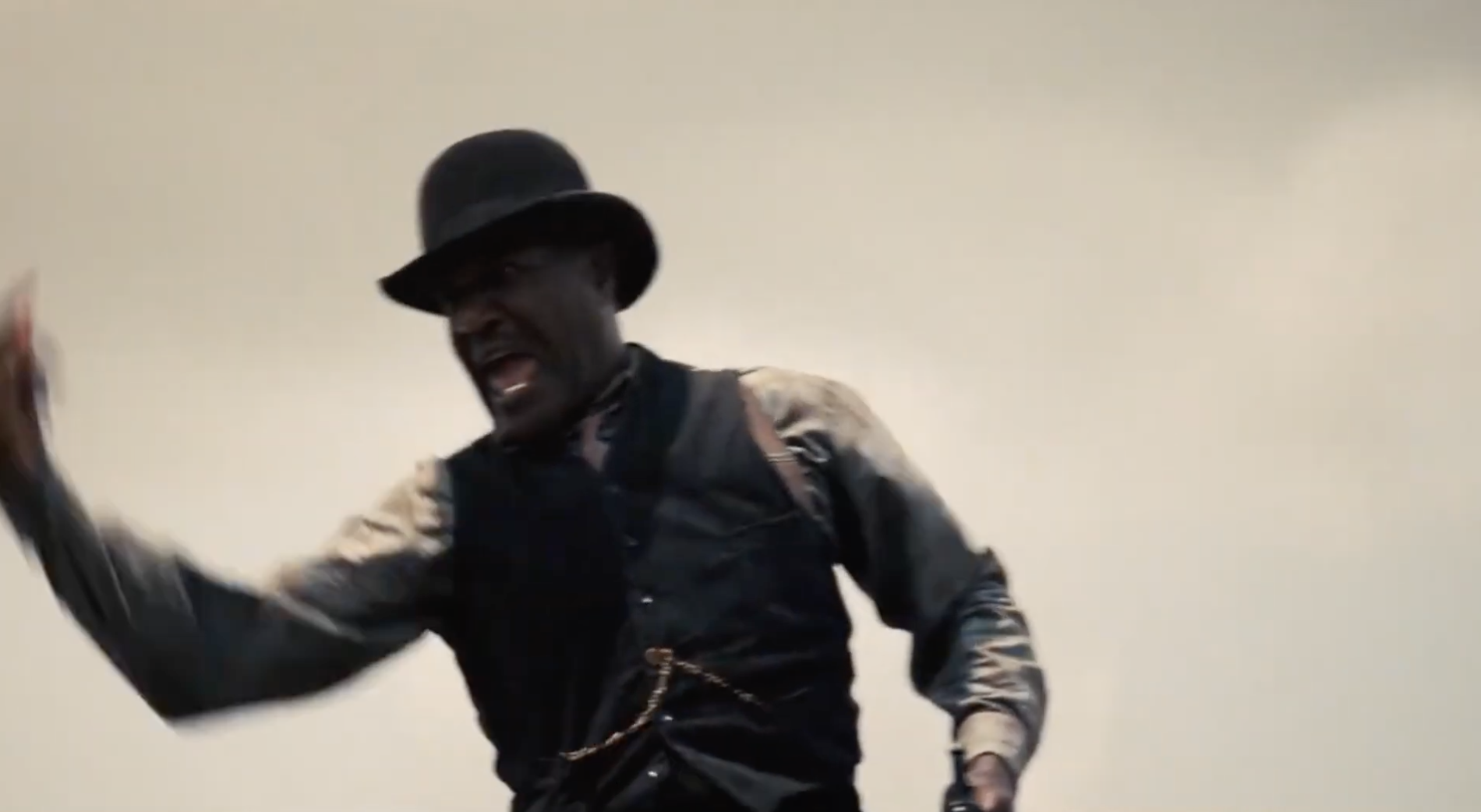
Both of these scenes show the continuation and persistence of Mississippi’s racism from the elder generation to the current generation; how the two generations bond over their shared lack of freedom; and men using the emotional language of the Blues to process unspeakable tragedies.
Work songs and field hollers serve as therapeutic bridges between generations of men who are keenly aware of their disenfranchisement in both Sinners and The Piano Lesson. Early Blues songs adapted the lower, or “blue,” notes from those types of work songs, among other influences, to express sadness, longing and despair. In this way, the Blues and its predecessors are uniquely positioned in both films as animating forces and powerful healing tools. There are many overt associations in the movies with these blue notes and generational wisdom as well: not only does music unite men of different generations but music also becomes a gift to future generations in both movies.
There are also supernatural elements in the singing of the Blues in both movies: each shows a conjuring of sorts after the characters engage with these longing parts of themselves through music — this conjuring is madevery literal in Sinners (vampires!)and is more of an ephemeral conjuring of connection among the men in The Piano Lesson.
What fascinates me about both movies is how the Blues serves as a metaphor for freedom while only being conjured after bondage and pain.
Religion as Repression; Ancestral Connection as Freedom
The Blues is also diametrically opposed to another restricting force in the 1930’s: Black American Christianity. The films show characters in both rural Mississippi and urban Pittsburgh wrestling with their allegiance to the Church before ultimately choosing some version of folk music or folk magic.
In Sinners, the Blues symbolizes innocent Sammie’s awakening and his performance of the Blues at the Juke is a ritual that initiates him into both his sexuality and his future vocation. This is in direct opposition to Sammie’s preacher father, Jedidiah,’s warning earlier in the movie to avoid those very temptations. In Sammie’s story, too, it’s freeing for him to choose the Blues and to become a man outside of the religious respectability of his family.
When Smoke tries to convince Sammie to give up the Blues and live among “proper Black Folks,” Sammie chooses instead to chase the freedom of the Blues, saying “I can’t do that. Being wit ya’ll today man, feel like I was flying.”
The Piano Lesson juxtaposes the healing power of Black Christianity with that of ancestral veneration through Berniece. Berniece is Boy Willie’s principled older sister who represents both the longing and the long memories of Blues traditions. She is the film’s emotional center, the only family member who has the power to call on their ancestors for help using the inherited piano.
When Boy Willie playfully summons the ghost of Sutter and is nearly killed by him, Berniece first asks her pastor boyfriend to bless the piano with Holy Water and a Bible. After this doesn’t work, she reluctantly enters a trance state at the piano to summon her great grandparents for help. The film’s script notes, “It is in this moment, from somewhere old, that Berniece realizes what she must do. [...] She begins to play. The song is found piece by piece. With each repetition it gains in strength.”
That “from somewhere old” is a clue to the opposition the film set up between the newer, borrowed spirituality of Christianity and the older, more indigenous spirituality of ancestor veneration.
III: This Your Blood: Black Futures
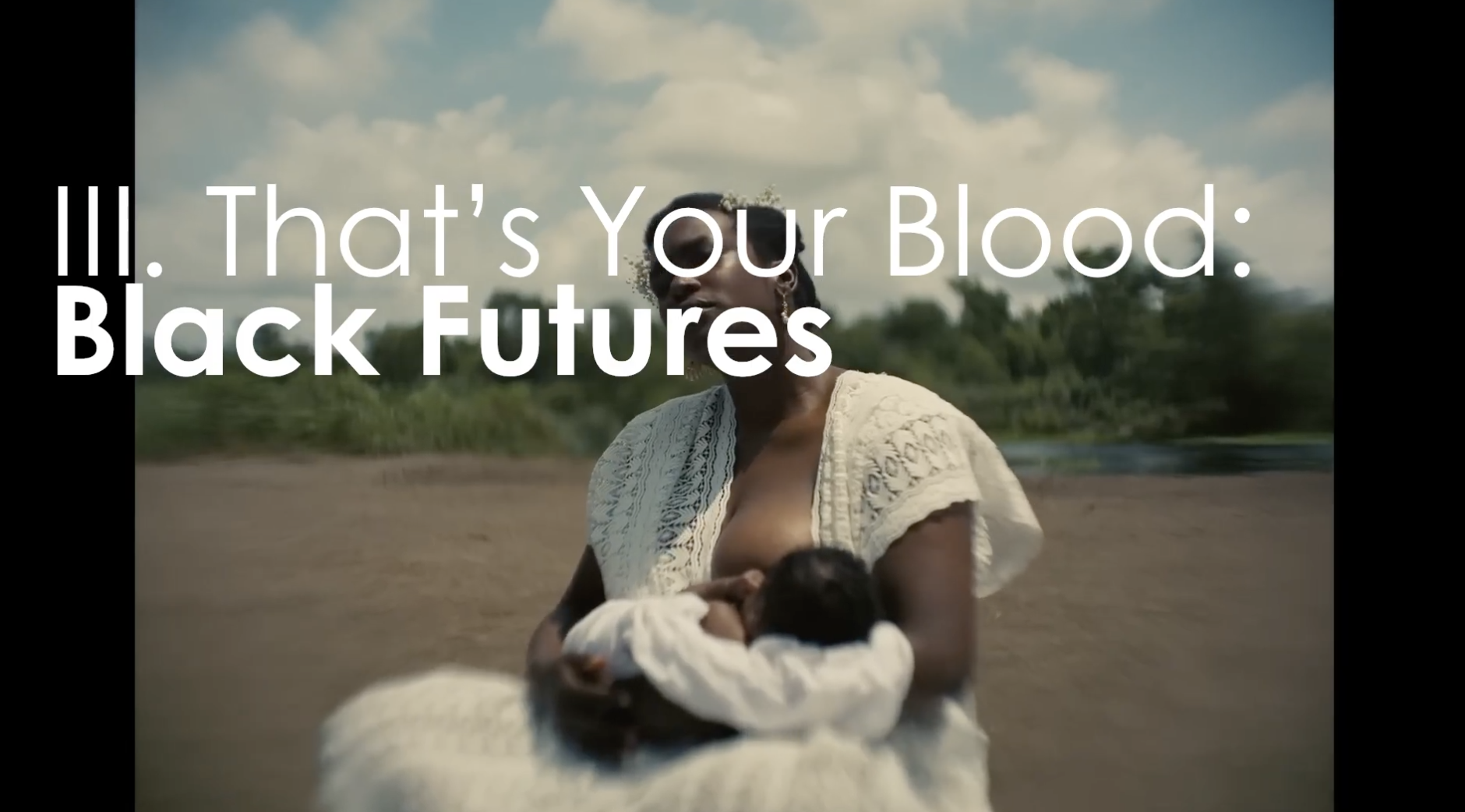
“You feel that? That’s your family. That’s your blood.” — Boy Willie, The Piano Lesson (Directed by Malcolm Washington, produced by Mundy Lane Entertainment and Escape Artists, distributed by Netflix, 2024)
Both of the concepts explored, Black sovereignty and Black freedom, lead both films to powerhouse conclusions about Black futures.
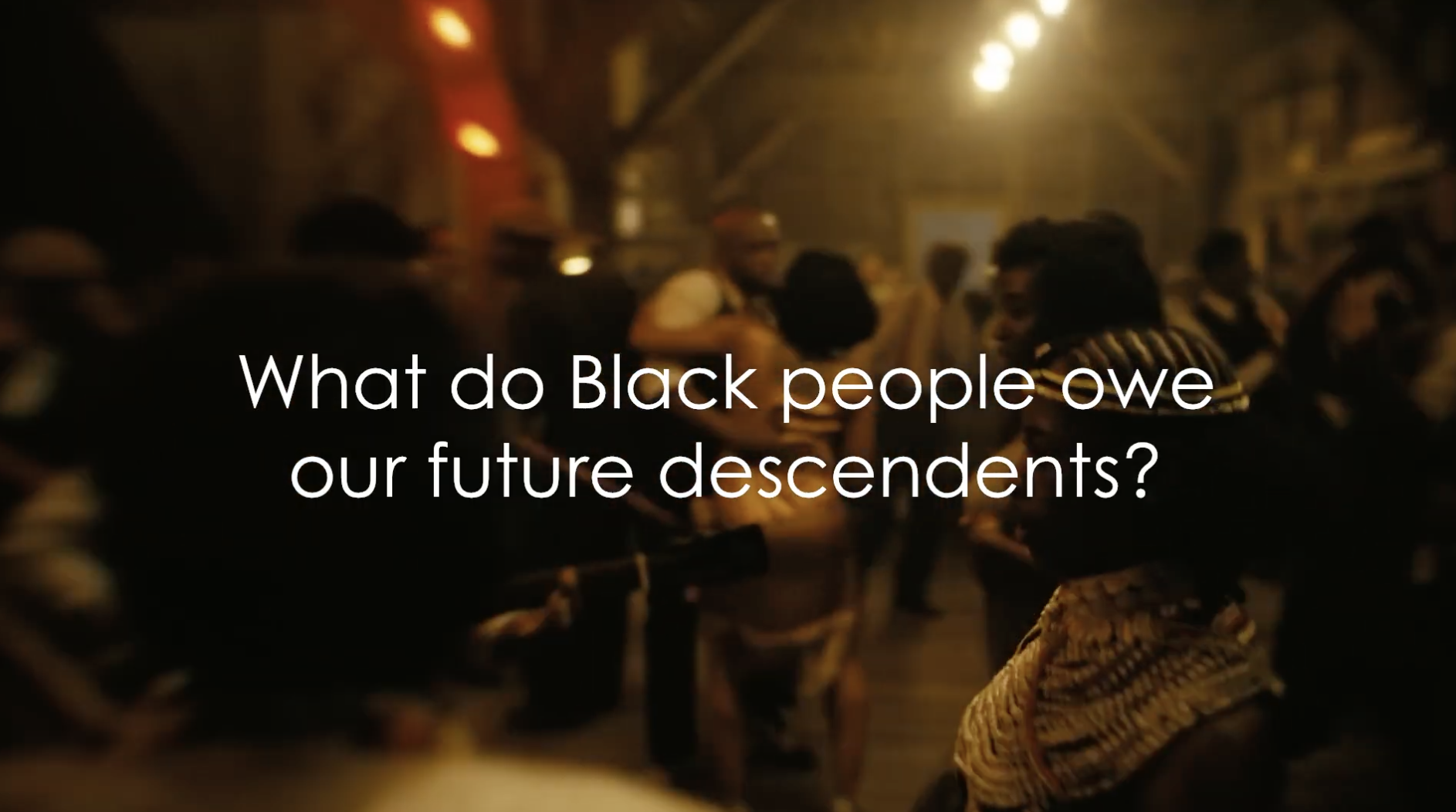
Because the stories are told by future generations, even as invisible narrators, the descendants of the characters in Sinners and The Piano Lesson are hyper-emphasized. In this, both films pose questions that are about the present and the future as much as they are about a near-past. Questions like, “What do Black people owe our future descendents? What do our ancestors want to give us?”
A couple of moments when the films engage these questions:
When Sinners’ Sammie connects to his musical genealogy -- conjuring the rhythms of both his distant ancestors and soon-to-be descendants. And when Smoke maps the younger man’s future in an all-Black town of proper folks.
When The Piano Lesson’s Doaker reluctantly joins the work song chorus, connecting with both his younger nephew and his ancestors, free and enslaved. And when we learn that Berniece refuses to play the family piano and instead represses her ancestral connection by dating a straight-laced preacher.

Both movies suggest that Black Americans owe future generations a past to speak of and engage with in its fullness. Even when it’s painful, like Berniece’s fear that the piano will consume her spirit the way it did her mother; or Sammie’s father, Jedidiah,’s fear that temptation and evil will consume his son the way it did his brother, the Twins’ father. In the final moments of The Piano Lesson, Berniece is able to enjoy the piano with her daughter, who we can imagine will inherit her mother and grandmother’s psychic connection to the heirloom and to her helpful, healing ancestors. In Sinners, Sammie and his father’s relationship may not have recovered, but his music needed to be heard to give birth to rock n’roll, funk, and eventually hip-hop.
Music allows both Berniece and Sammie to transform their individual and ancestral pain into something healing and expressive that connects them to their past and future.
The Great Migration + The South as Symbol

The movies look back as much as they look forward.
Sinners makes this ancestral connection plain in the opening voice over, “There are legends of people born with the gift of making music so true, that it can pierce the veil between life and death.”
The Piano Lesson’s Doaker’s recounting of their family piano’s past also serves to unite the living and the dead in his family. Doaker explains to Lymon, one of only two non-relatives in the film adaptation, that while his family was enslaved by the Sutters, his grandmother and father, then a little boy, were traded to another white family in exchange for the piano. The Sutter matriarch, Miss Ophelia, becomes obsessed with the piano but misses the enslaved people her husband traded for it. Doaker’s grandfather — and Boy Willie and Berniece’s great grandfather — was a master woodworker. When Miss Ophelia complained about missing his wife and son, he carved intricate images of them onto the woman’s prized piano. The story feels like straddling their past and present because Doaker’s grandfather is called Willie Boy and is Boy Willie’s namesake, and Doaker’s grandmother is Mama Berniece, and is Berniece’s namesake.
Also in centering memory, both The Piano Lesson and Sinners insist on a future to do the remembering; a past worth remembering; and lessons to carry in the present. The American South, and Mississippi specifically in both movies, is also symbolic of memory. When both films take place, Black communities were in the middle of a generational migration from places like Mississippi to Midwestern, Northern, and Western cities like Pittsburgh and Chicago in what would be called The Great Migration. Descendants raised in places like Pittsburgh will come to regard their ancestors' home as a cosmological symbol, a domestic “old country” where their folk culture, folk tales and folk magic originate. Berniece’s daughter, Maretha, represents this future generation in The Piano Lesson and it’s easy to imagine how she would think about Mississippi and the stories she’d tell about it to her children and grandchildren.
In this way, the South as an ancestral homeland for Black America reminds me of the African diaspora’s relationship to Africa as a cosmological symbol of memory. Dr. Kyra Milika Daniels, assistant professor of African American Studies at Emory University, explains this connection as it relates to African-derived religions, but I think it can be more broadly applied to these films as well: “It’s helpful to understand that diaspora very much is about memory. People who are in the Caribbean, people who are in Latin America, people who are in the U.S. and who are involved in these traditions, oftentimes are thinking about Africa cosmologically as an important icon. Africa serves as symbol as metaphor as homeland, not for every African-descended community in the Americas, but for many.” (Excerpted from Vodou: Haiti's African-Derived Religion | ReligionForBreakfast https://www.youtube.com/watch?v=VofAQYxcHHY&t=675s)
Using artful depictions of Black Southerners creating their way through the Jim Crow South, The Piano Lesson and Sinners take wildly different paths to explore similar, perennial questions: What is freedom to a Black American? What if the promised land is portable, and accessible anytime we gather with a few sorrowful piano chords?
Thanks so much for reading! Let me know what you loved about Sinners and The Piano Lesson in the comments and let me know if there are pop culture ideas you want me to explore in a future video. Byyeeeee!
I think you might also like this video:
Video Credits:
🎤 Miss Black America | Kirby (Diamond West Records, 2025)
🎤Instrumental beat by / @gangabeats
🔺GNX | Kendrick Lamar (PGLang/Interscope, 2024)
🔺Is God Is (Directed by Aleshea Harris, produced by Orion Pictures/Viva Maude/Linden Entertainment, distributed by Amazon MGM Studios, 2026)
🔺When I Get Home | Solange (Columbia, 2019)
🔺RENAISSANCE: A FILM BY BEYONCÉ | Beyonce (Parkwood Entertainment/Columbia, 2024) 🔺Sinners (Directed by Ryan Coogler, produced by Proximity Media, distributed by Warner Bros. Pictures, 2025)
🔺The Piano Lesson (Directed by Malcolm Washington, produced by Mundy Lane Entertainment and Escape Artists, distributed by Netflix, 2024)
🔺Why this instrument explains Black American folk music | Vox • Why this instrument explains Black America...
🔺Vodou: Haiti's African-Derived Religion | ReligionForBreakfast • Vodou: Haiti's African-Derived Religion (2021)
References (in order of mention or use):
🔺The Things You Missed in Sinners: A Deep Dive into Blues, Blood, and Black Magic | Rachele S. D. Willis | Medium, 2025
🔺The Lasting Legacy of Parchman Farm, the Prison Modeled After a Slave Plantation | Innocence Staff | Innocence Project, 2020
🔺The Painful Birth of Blues and Jazz | Stephanie Hall | Folklife Today: American Folklife Center & Veterans History Project, Library of Congress Blogs, 2017