
How Symbolism, Myths + Archetypes Inspire Beyoncé + Jay-Z's Public Love Story
Warning: This essay will contain explicit lyrics and is not intended for children.
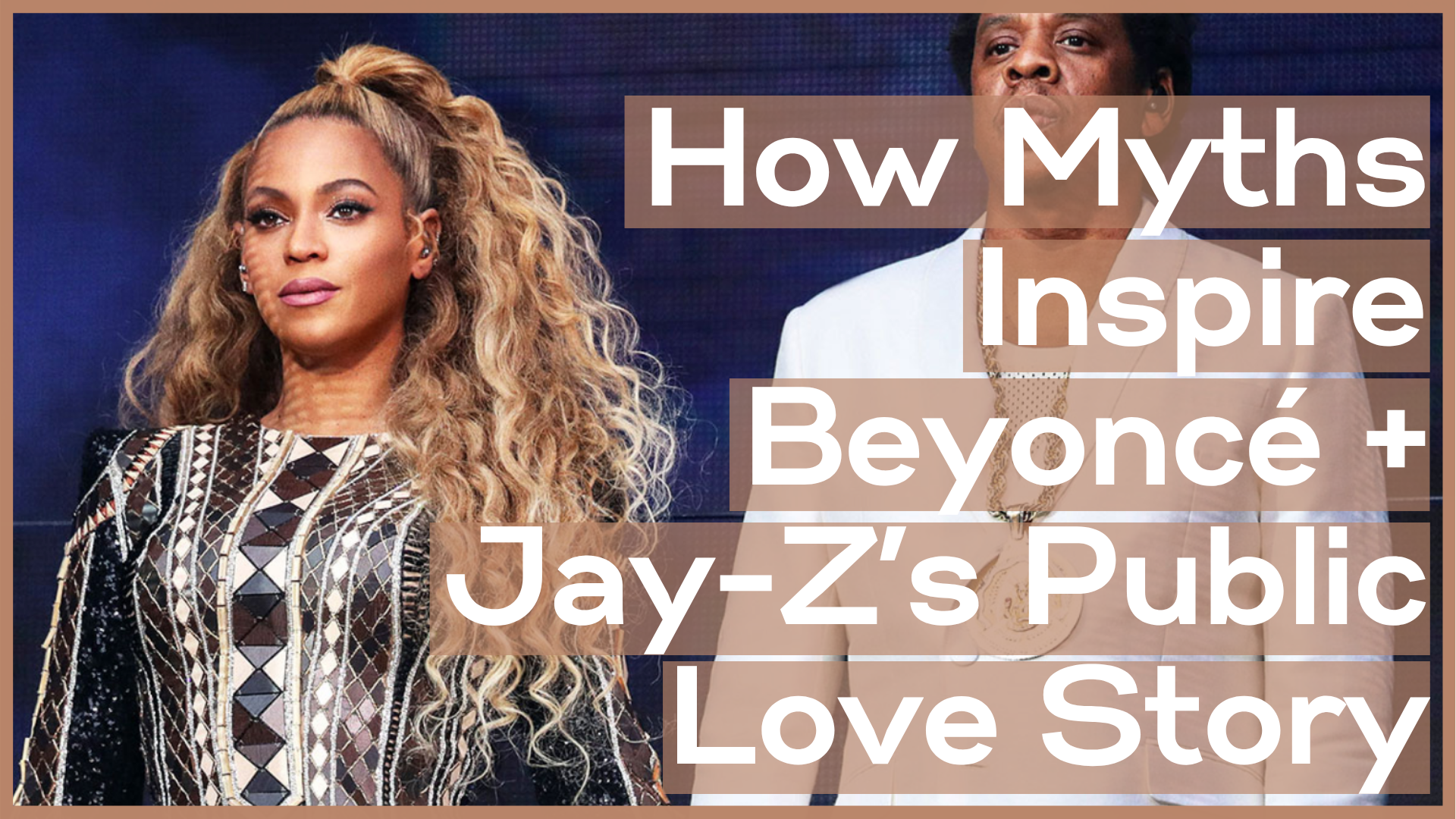
Beyoncé and Jay-Z, individually, are larger-than-life, almost super-human personalities. Their outsized talent, charisma, and mind-boggling success have loomed ever-present in Black Americana for more than two decades. Together, the only words that seem to accurately describe their union's cultural impact imply fantastical elements: gigantic, colossal, titanic.
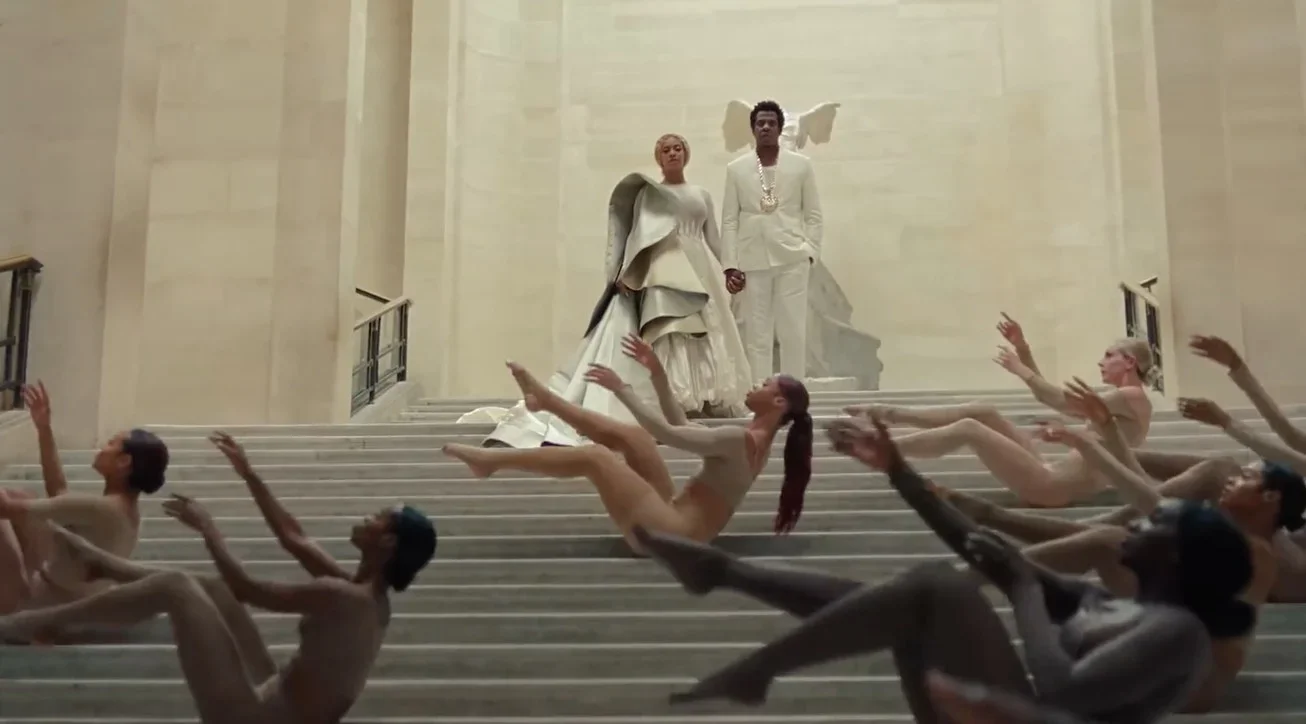
And these two figures, individually and when functioning as a unit — the famous couple — seem to see themselves similarly. In their 2018 collaboration, Everything Is Love, the pair traipsed around the Louvre posing with Hellenistic warrior gods and coronation tableaus in the video for "Apeshit," firmly positioning themselves as rightfully belonging to the West's ruling class, as mythical deities, tragic figures, and inspirational heroes all at once.
This tracks. Both Bey and Jay, if their music is to be believed, see their lives through the powerful lens of myth and seek to make sense of their success, their trials, and especially their marriage through ancient story patterns and archetypes.
Four | The Emperor
The collective works of Bey and Jay — Bey even more specifically — are rich with symbolism and rife with deliberateness and intention.
Take the couple's preoccupation with four. On the surface, it's a number that bonds them and fates their love. Beyoncé was born on Sept. 4, Jay on Dec. 4, Tina Knowles was also born on the fourth of January. The Knowles-Carters were married on 4/4/2008. They also tattooed IV on their fingers in addition to wedding rings and they named their first child Blue Ivy, in part because the Roman numeral four is spelled IV. Jay even named one of his businesses The 40/40 Club after Major League Baseball's 40-40 Club, which includes players who have hit 40 home runs and stolen 40 bases in a single baseball season. Guess what? Only four Major League Baseball players have joined this exclusive club.
But, on a mythic level, four is also perfectly analogous to this couple's journey as masters of their own destinies and empire-builders.
From "Self-Titled": Part 2. Imperfection | Beyoncé (Parkwood Entertainment/Columbia, 2013)
There's a moment where things click.
Four is a stable, dependable and balanced number in Western esoteric and mystical traditions. The elements, directions and astrological wheel are all divided into fours or divisible by four. Four can encompass the full range of human emotion and human potential: equally feminine and masculine, equally introverted and extraverted, equally negative and positive.
In Tarot, four represents the Emperor, or the king. Sitting on a throne and ruling stoically, he represents the core of what the Knowles-Carters narrative presents to us: "a symbol of the masculine principle [... ] that gives structure, creates rules and systems, and imparts knowledge." Nothing about these two or their union looks easy or by accident or out-of-place. Structure and systems —be they capitalism or heteronormativity— are always the order of the day. There are no shortcuts in their world - just work, love and faith.
Lyrics From “LoveHappy” | The Carters (Roc Nation/Parkwood Entertainment, 2018):
You did some things to me
Boy, you do some things to me
But love is deeper than your pain and I believe you can change
Baby, the ups and downs are worth it
Long way to go, but we'll work it
We're flawed but we're still perfect for each other
On the feminine side, four is representative of the astrological sign Cancer, a water sign that represents motherhood, home life and security. As the Emperor on his throne looks outward for worlds to conquer, Cancer looks inward, carefully tending to her family and her spirituality. She is as intuitive as the Emperor is strategic. She is as feeling as the Emperor is logical. She is just as fierce as the Emperor, willing to risk it all for the protection of her loved ones.
Both Bey and Jay portray a distinctly Cancerian stance when it comes to family and their home life. They are fiercely protective of their marriage, family unit and close friends.
Lyrics From “Friends” | The Carters (Roc Nation/Parkwood Entertainment, 2018)
Ty mama died, I was there,
my nephew died, he was there,
He in my house more than I be there, more than Bey there,
Ty Ty there,
E there,
Breezy there,
Juan there,
High here,
Chaka there,
Law there,
they all here, ah yeah,
Dez there,
Kawanna here,
Shit feel like Nirvana here
Crib like the Soho House, I might stay in and grow out my hair
Tight circle, no squares, I'm geometrically opposed to you
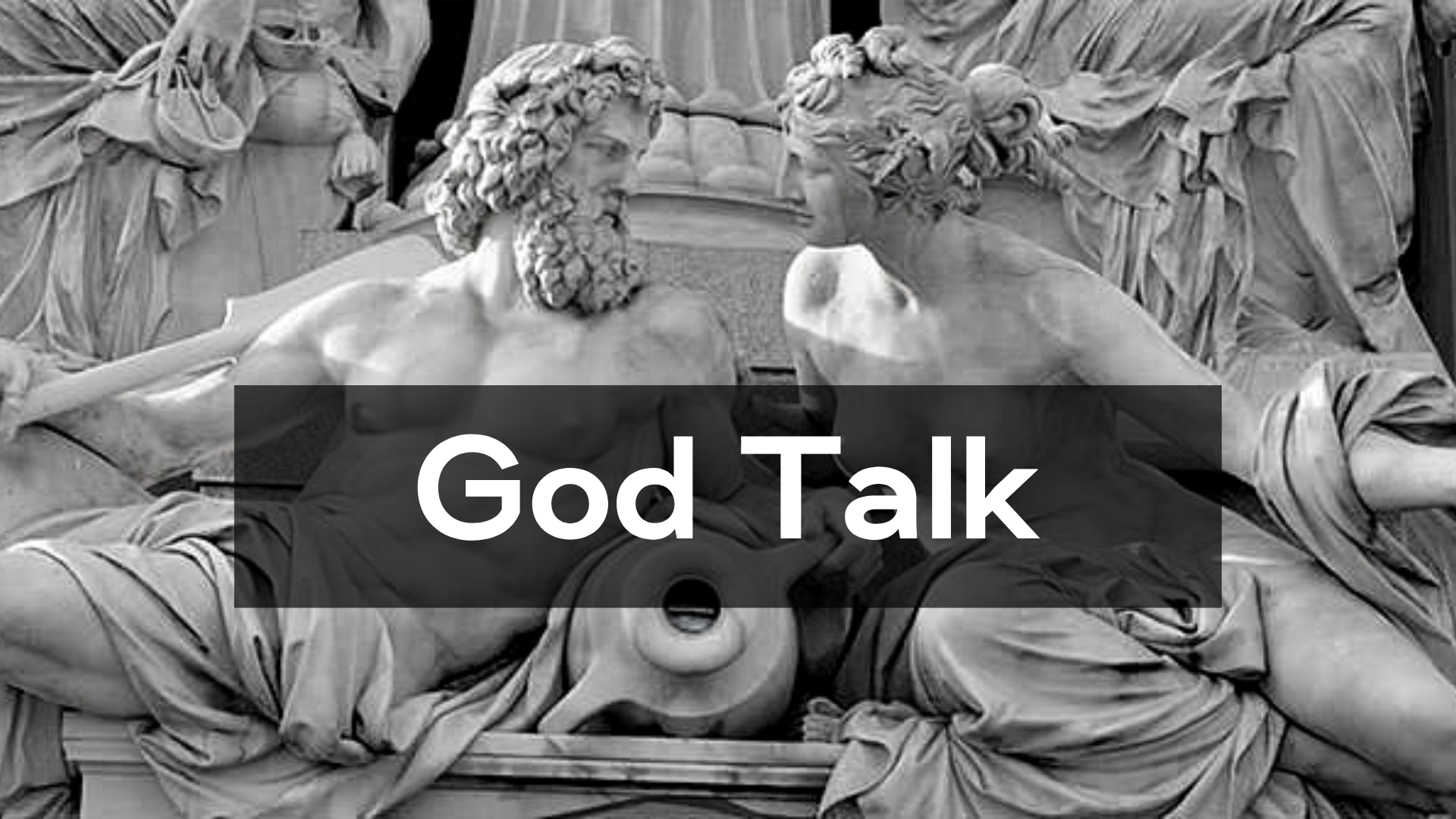
Love is Pain | God Talk
If you're familiar at all with mythology from basically any culture, you know the gods are as easily swayed, short-sighted, jealous and petty as any mortal. To study the stories of the gods is to be inundated with as much tragedy as celebration, and this is the valley that the Knowles-Carters seem to dwell, lyrically.
For every relationship high note we hear Bey sing, there is an equal or more powerful note of pain.
Even their relationship coming out tune, "Crazy in Love," offers a bit of a side-eye. Beyoncé isn't just in love, she's not herself, she's making bad decisions, and she's swept away in a potentially dangerous way.
"Love on Top," which served as the couple's victorious pregnancy announcement at the 2011 VMA's is also…kind of sad. The lyrics show how the singer had to work to earn time, attention and favor with her love. Tucked away in the adverbs, like "now" and "finally," we get the full picture about why her smile means so much. Her love has made her beg and cry before he made her smile. A refrain we have come to hear often from Bey's side of their relationship narrative appears in this song, too.
Lyrics From “Love on Top” | Beyoncé at MTV VMAs (MTV, 2011)":
Nothing's perfect but it's worth it
After fighting through my tears and finally you put me first
This is god talk. This is how myths are framed: as winding narratives of tragedy and pain, despair and betrayal that must come along with any semblance of love. Take the mythological stories of Yoruba orishas Oshun and Shango, who, in some stories, are the parents of Ibeyi, the first twins.
By now, you have to know the similarities between Bey and Oshun: an affinity for the color yellow, an attraction to bees and honey, and beauty that brings all the boys to the yard. Beyoncé has channeled the orisha in various performances and even name-checked her in the song “Black Parade.”
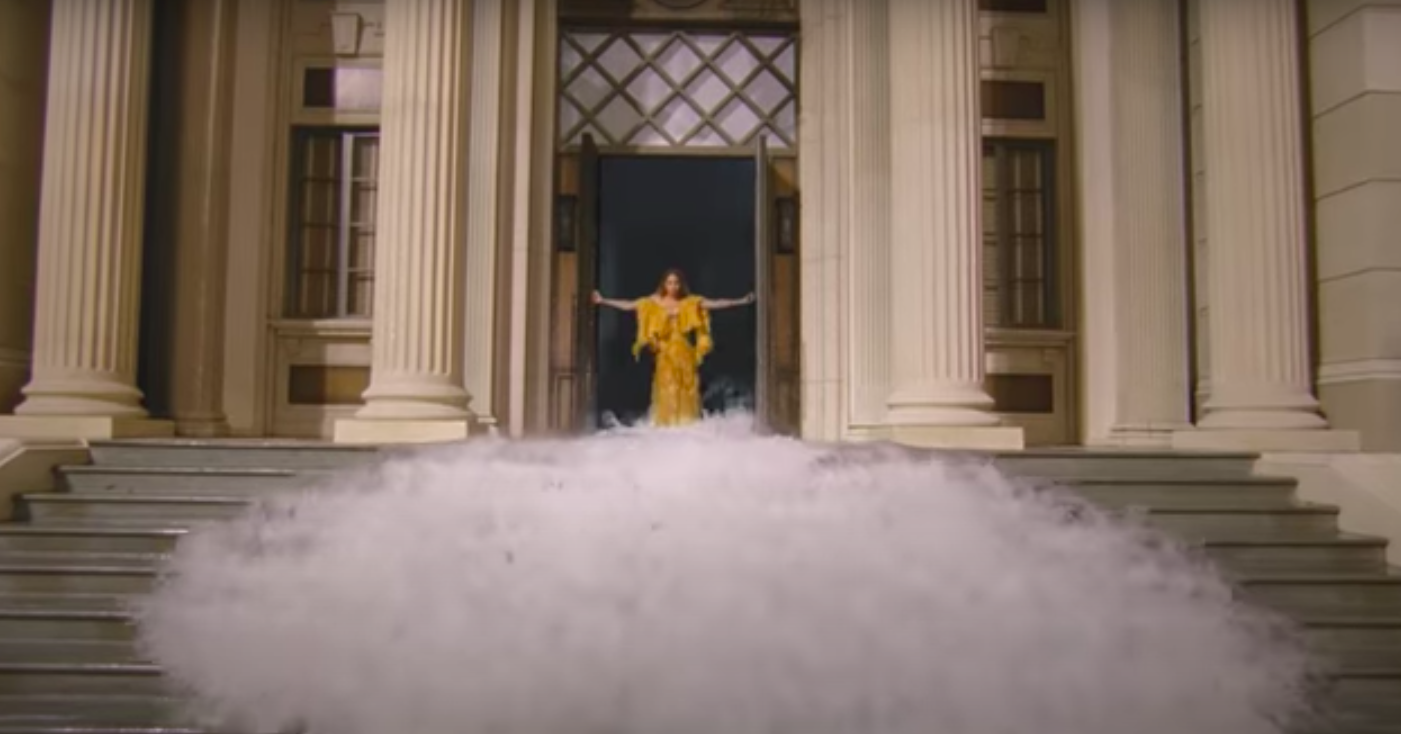
Lyrics From “Black Parade” | Beyoncé (Parkwood Entertainment/Columbia, 2020):
Ankh charm on gold chains, with my Oshun energy
But did you realize Shango, the most powerful orisha and god of thunder and lightning, bears some resemblance to Jay? According to Yoruba myth, Shango was a ladies man who, although being married in most myths, still manages to sleep with lots of women in the kingdom. He's linked to many orishas before and after Oshun.
One legend has it that Oshun pursued Shango, covering her naked body with honey and lying at the edge of a river where he would see her and obviously not be able to resist. Oshun knew Shango was paired with another woman, but she had to have him and was willing to go to any length to be with him.
So, who knows who seduced who at the start of Beyoncé and Jay's relationship. However Beyoncé is very proud to be with the king of rap, to be part of the ultimate power couple, and it's hard to picture her being happy with a man who didn't have the money, success, swag and god status that Jay does. So, the Oshun story does kind of fit with their love story.
Or, the Greek Zeus and Hera. Like Shango, Zeus is the leader and god of thunder in his respective pantheon. Hera, goddess of marriage, is his dutiful and long-suffering wife. Zeus, like Shango and Jay, is quite the womanizer. Similar to Beyoncé, Hera is a representation of the Queen archetype — powerful and influential on her own, but also always willing to stand by her powerful man and much too devoted to the marriage to let infidelity get in the way.
In mythology, Zeus is also pretty indiscriminate about who he beds — mortals, nymphs, goddesses — everyone's fair game with this god, to the extreme dismay of his wife Hera. In fact, Hera is most known for the truly horrific punishments she doles out to Zeus' lovers. Because, what's worst? Being jealous or crazy?
Lyrics From “Hold Up” | Beyoncé (Parkwood Entertainment/Columbia, 2016):
How did it come down to this?
Scrolling through your call list
I don't wanna lose my pride, but I'ma fuck me up a bitch
Know that I kept it sexy, you know I kept it fun
There's something that I'm missing? Maybe my head for one
What's worst, lookin' jealous or crazy?
Jealous or crazy?
Or like being walked all over lately, walked all over lately
I'd rather be crazy
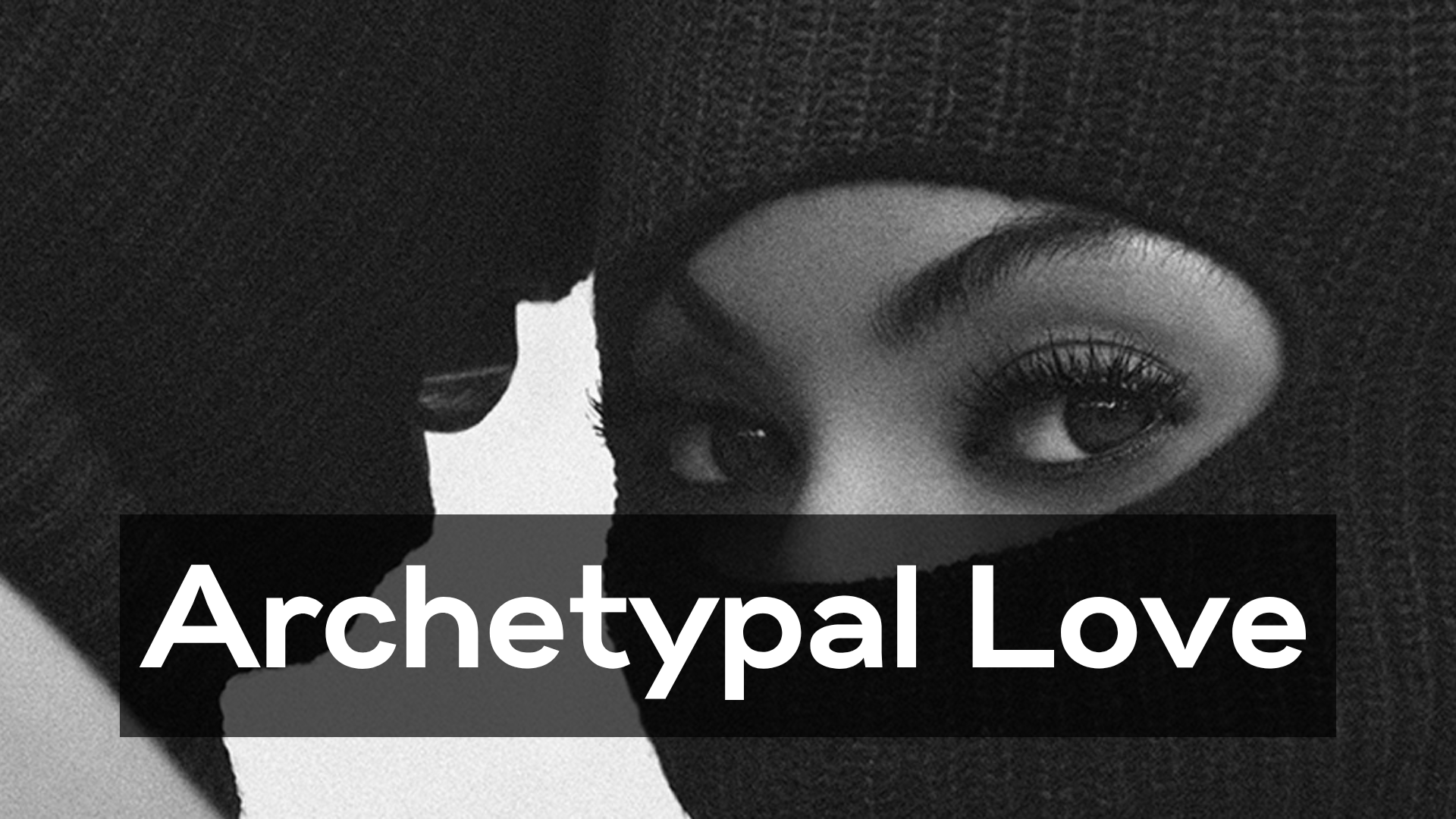
The Ruler | Archetypal Love
Which brings me to the last mythical element of the Knowles-Carter's relationship: their archetypes. Archetypes are powerful and ancient symbolic representations of people we instantly recognize from myths, fairy tales and dreams.
Defined by Swiss psychoanalyst Carl Jung, they represent symbolic figures in our shared culture, like the Mother, represented by characters like the Virgin Mary and Claire Huxtable, or the Hero, represented by figures as disparate as Harry Potter and the Biblical Moses.
Both Beyoncé and Jay-Z understand themselves to be embodying the Ruler archetype, in Jay's case, the masculine king archetype and in Bey's case the feminine queen archetype.
Lyrics From “Devil is a Lie” | Rick Ross f/ Jay-Z (Maybach/Def Jam, 2014)
All these niggas claiming king
but I'm still that
King Hova, Mansa Musa
From a lie, the devil is a lie
I'm the truth, yeah
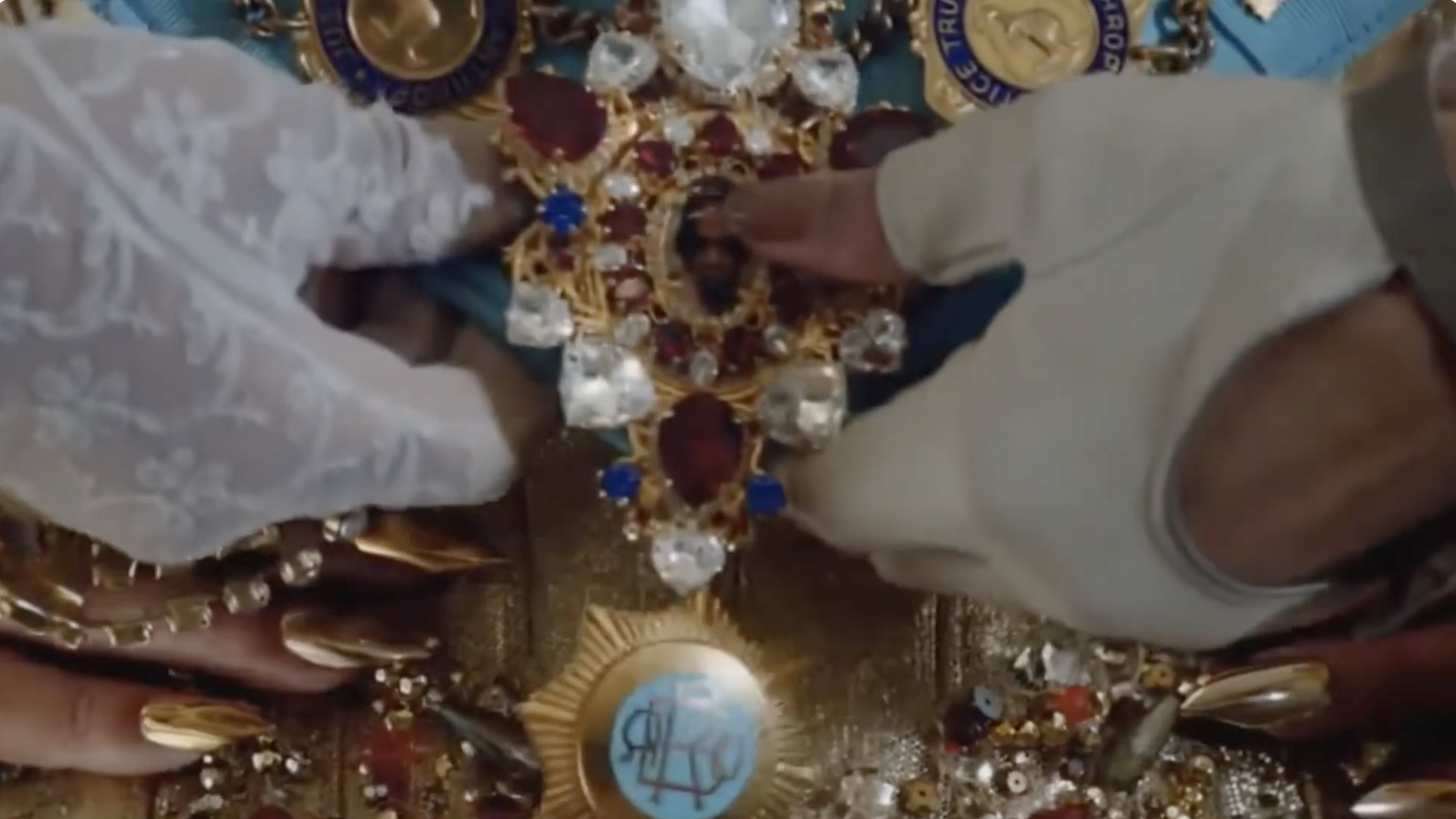
Beyond making constant references to themselves as royalty, not only lyrically but visually, they have spent the majority of their careers and their relationship building their separate dynasties and creating heirs to inherit their fortune and power. This building of wealth, familial power and business entities has been a preoccupation for the couple and a frequent inspiration for their music.
Lyrics From “LoveHappy” | The Carters (Roc Nation/Parkwood Entertainment, 2018):
I pray my children outlive me
I give my daughter my custom dresses, so she gon' be litty
Vintage pieces by the time she hit the city, yeah-ah
Vintage frames, I see nobody fuckin' wit' him
Pretty thug, out the third ward, hit me
Sir asked it, like his dad's shit is trippy
It ties back into their deference for the number four and its mystical properties. They are natural rulers and leaders who are experiencing life's ups and downs in the ways of a royal couple. What defines the ruler archetype is their proximity to godliness.
According to YouTube channel Like Stories of Old, “the King Archetype is primal in each man and is also referred to as the king energy or the father energy. Fully accessing this archetype is thought to be the closest a man can come to divinity or godhood. As the name suggests, the king archetype is most clearly demonstrated by men in the role of kings, emperors or other rulers whose task it was to channel this archetype to the people of the realm.”
Both Knowles and Carter play at this, likening themselves to little-g gods while still distinguishing themselves from big-g God.
As many similarities as the Ruler's feminine and masculine archetypes have, they do ultimately serve very different functions in society and within the home — differences that Bey and Jay act out in their public marriage.
Like most masculine figures, the King's role is more public-facing and most of his work is done outside of the home. The Queen, on the other hand, must be as devoted to the marriage and the family as the King is to his empire.
While the good King may be known for his ability to protect the kingdom and be fearless in battle, the Queen's greatest strengths are her loyalty and being able to stick with the marriage. She is the ultimate companion, no matter how rich, successful and powerful she may be in her own right, she doesn't feel complete as a single woman without a marriage to tend to.
Lyrics From “Upgrade U” | Beyoncé (Music World/Columbia, 2006):
You need a real woman in your life (that's a good look)
Taking care, home and still fly (that's a good look)
And I'ma help you build up your account (that's a good look)
Better yet a hood look, believe me (ladies that's a good look)
When you're in them big meetings, for the mills (that's a good look)
You take me just to complement the deals (that's a good look)
And anything you cop, I'll split the bill (that's a good look)
Better yet a hood look, believe me (ladies that's a good look)

Understanding the great mythology and time-worn story arcs that have seemed to magically guide Beyoncé and Jay-Z's relationship help explain the messages that they put out about their marriage.
Like most committed couples, they see themselves as a unit that is greater than the sum of its parts — and their public story about their marriage is modern-day myth-making, regardless of how based on the truth it may be.
They make sense of their pain and their love as part of a bigger and meaningful story where the union is fated and must be preserved at all costs. They are constructing a tale about love — rich, dynastic black love, specifically — for their audience and for themselves. And by all accounts, we're happy to sit by the fireside and listen to every story they weave.
What do you think? What sticks out to you about the ways that these artists talk about their relationship in their music? Let me know in the comments and thanks for reading!
Beyoncé and Jay-Z, individually, are larger-than-life, almost super-human personalities. Their outsized talent, charisma, and mind-boggling success have loomed ever-present in Black Americana for more than two decades. Together, the only words that seem to accurately describe their union's cultural impact imply fantastical elements: gigantic, colossal, titanic. Both Bey and Jay, if their music is to be believed, see their lives through the powerful lens of myth and seek to make sense of their success, their trials, and especially their marriage through ancient story patterns and archetypes.